APPLICATION of DC 3003 ALUMINUM DISK
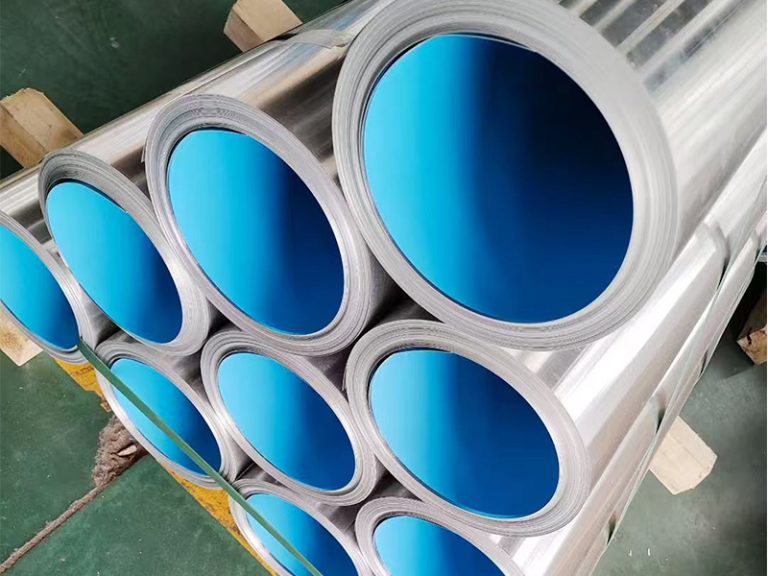
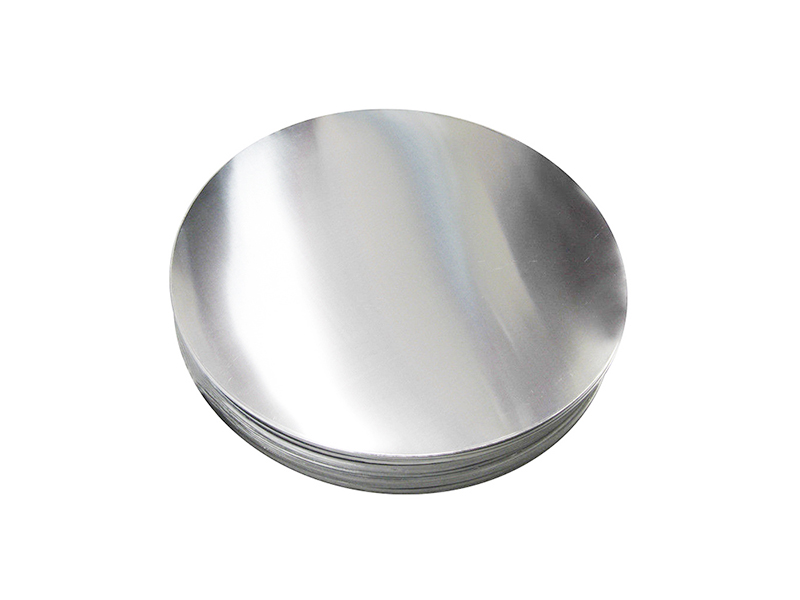
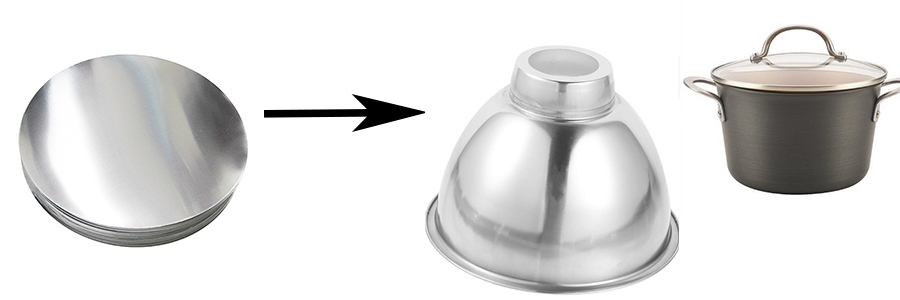
The primary use of DC aluminum circles is as a raw material for manufacturing a wide range of cookware, particularly for deep-processing applications. This is largely attributed to their superior processability. Compared with CC aluminum circle, DC aluminum circles offer better elongation and plasticity, which significantly reduces the risk of cracking during complex stamping and deep-drawing operations. This makes them especially suitable for producing cookware that requires integral stretch forming, such as pots and pans. In addition, they provide a superior anodizing response, which enhances both the surface appearance and corrosion resistance of the finished products.
Why should you choose DC aluminum circles when applying an anodized surface finish?
DC aluminum circles are particularly well-suited for anodizing, primarily because the hot-rolling process substantially improves the internal microstructure of the aluminum alloy, laying a solid foundation for achieving a high-quality, visually uniform anodized film. Hot rolling is a plastic deformation process carried out above the metal’s recrystallization temperature. During this process, the coarse cast grains in the ingot are broken down, and the internal structure undergoes repeated recovery and recrystallization, ultimately forming a homogeneous, fine-grained microstructure. For anodizing, a uniform and fine grain structure is the key to producing an aesthetically pleasing oxide film. If the grains are coarse and uneven, the anodized surface may exhibit defects such as dark streaks or water-mark patterns along the rolling direction, which severely compromise the visual quality. Thanks to their uniform structure, hot-rolled aluminum circles yield consistent surface textures after anodizing, with no color variation.
Why should you choose DC aluminum circles when manufacturing large-diameter or deeply drawn cookware?
DC aluminum circles exhibit superior elongation and plasticity, offering excellent deep-drawing performance and adaptability to complex forming processes. They are highly capable of meeting the demanding stamping and drawing requirements typical in cookware and lighting fixture production. Moreover, even after undergoing these rigorous forming steps, they maintain outstanding surface quality when subsequently anodized. This combination of formability and finish quality is precisely why they are widely used in the production of premium cookware and lighting products.
Product Parameters
| Alloy | 3003 DC |
| Temper | O, H12, H14, H16,H18 |
| Thickness(mm) | 0.3-5.0 |
| Diameter(mm) | 100-180mm, 180-780mm,780-1500mm |
| Alloy(%) | Si | Fe | Cu | Mn | Mg | Cr | Ni | Zn | V | Ti | Zr | Others | Al |
| 3003 | 0.6 | 0.7 | 0.05-0.20 | 1.0-1.5 | – | – | – | 0.1 | – | – | – | 0.05 | remainder |
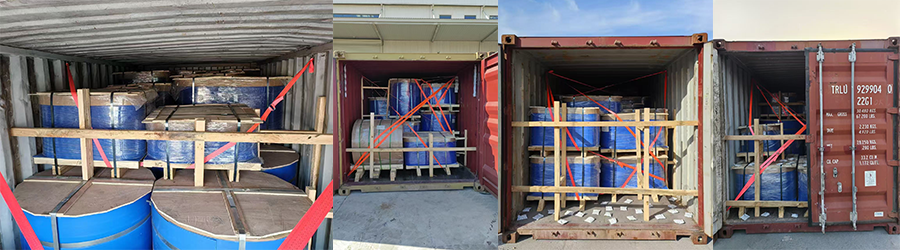
LOADING PIC